The global activewear market has shifted from basic gym gear to high-performance "athleisure" that demands technical fabric engineering and precise fit. For private label brands, China remains the undisputed hub for innovation, particularly in recycled nylon, seamless knitting, and moisture-wicking treatments.
However, sourcing in China is no longer about finding the "cheapest" factory. It is about matching your brand’s scale with a factory’s specific technical capability. Whether you are a startup looking for 100-piece MOQs or an established wholesaler requiring 50,000 units monthly, the following 20 manufacturers represent the current gold standard in Chinese activewear production.
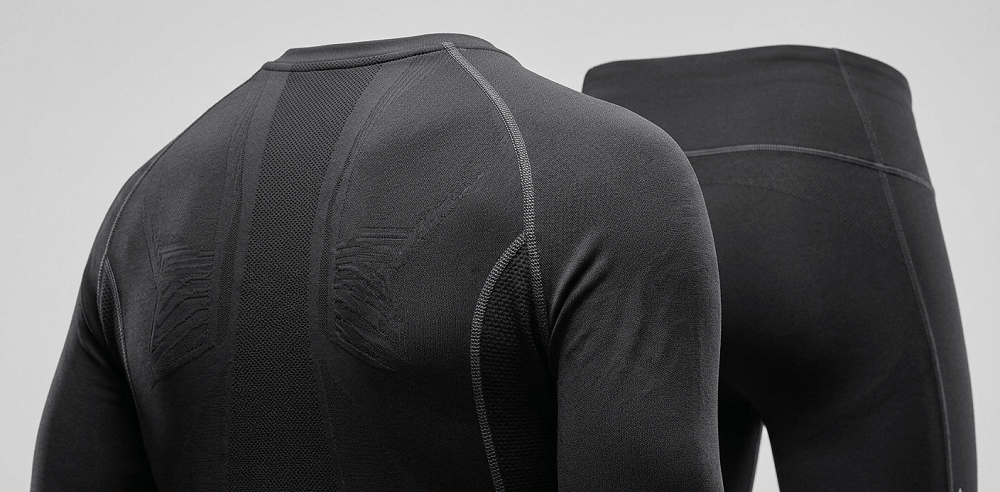
The Geography of China’s Activewear Clusters
Before vetting individual suppliers, professional buyers must understand regional specializations:
- Dongguan/Guangzhou (Guangdong): The premium hub. Specializes in high-end yoga wear (Lululemon style) and complex R&D.
- Quanzhou/Jinjiang (Fujian): The "Sports City." Focuses on performance outerwear, running gear, and woven sports fabrics.
- Yiwu/Haining (Zhejiang): The world capital of seamless technology. Ideal for compression wear and circular knitting.
Top 20 Activewear Manufacturers in China (2026 Evaluation)
| Manufacturer Name | Primary Specialization | Best For | Typical MOQ |
|---|---|---|---|
| Ingorsports | Technical Yoga & Gym Wear | High-end Private Label | 100-200 pcs |
| Handa Enterprise | Knit Fabrics & Athleisure | Vertical Integration (Bulk) | 2,000+ pcs |
| Arabella | Yoga & Bra Engineering | Mid-to-High End Brands | 200 pcs |
| Fitfever | Seamless & Yoga Sets | E-commerce Sellers | 50-100 pcs |
| Uni-Sport | Performance Teamwear | Bulk Wholesalers | 500 pcs |
| Aoxjox | Trend-driven Fitness Wear | Influencer Brands | 100-300 pcs |
| Uga | Premium Leggings/Bras | Custom Design (ODM) | 200 pcs |
| Zhenqi (Wansheng) | Seamless Technology | High-volume Seamless | 1,000+ pcs |
| Vactive | Sustainable Activewear | Eco-conscious Brands | 300 pcs |
| Sia Apparel | Functional Sportswear | European Market Standards | 500 pcs |
| Wujiang Suntex | Technical Fabrics | Fabric Innovation | 1,000m |
| Dongguan Humen Fit | Compression & Bodybuilding | Small-batch specialized | 100 pcs |
| Fujian Juepai | Outdoor & Sports Jackets | Technical Outerwear | 500 pcs |
| Zhejiang Reborn | Recycled Polyester Wear | Circular Economy Brands | 500 pcs |
| Guangzhou Chinofit | Street-style Athleisure | Fashion-forward Fitness | 200 pcs |
| Doven Apparel | Custom sublimated kits | Teamwear/Clubs | Low MOQ |
| Huasheng Group | Massive Scale OEM | Global Retail Chains | 10,000+ pcs |
| KCOA Active | Trendy Yoga/Pilates | Boutique Studios | 100 pcs |
| Nice-Can | High-performance Fabrics | Material-first Sourcing | 500 pcs |
| Goal Active | Aesthetic Fitness Wear | TikTok/Shopify Sellers | 50 pcs |
Key Manufacturer Profiles & Sourcing Insights
1. The High-End Technical Leaders: Ingorsports & Arabella
Located in the heart of Guangdong, these manufacturers prioritize R&D. If your brand competes with Lululemon or Alo Yoga, these are your go-to partners. They offer "Interlock" stitching and "Four-needle Six-thread" technology which is essential for squat-proof leggings.
- Procurement Reality: Their sampling fees are higher (often $50–$100 per piece), but this covers the cost of technical pattern making.
2. The Seamless Specialists: Fitfever & Zhenqi
Seamless garments are knitted in one piece, reducing friction and increasing stretch. Yiwu-based factories like Fitfever have invested heavily in Santoni machines (the gold standard for seamless).
- Buyer Logic: Seamless MOQs are generally higher because the machines must be "threaded" for a specific yarn color. If a factory offers low MOQ on seamless, they are likely selling "ready-to-ship" stock with a heat-transfer logo option.
3. Vertical Bulk Manufacturers: Handa & Huasheng
Handa is a giant. They own the fabric mills and the garment assembly lines. This vertical integration means they can offer significantly lower prices for orders exceeding 5,000 units.
- Suitability: These factories are not for startups. They expect tech packs to be perfect and have little patience for "design-as-you-go" buyers.
4. The Sustainability Innovators: Vactive & Reborn
As ESG (Environmental, Social, and Governance) becomes a requirement for Western imports, these factories focus on GRS-certified (Global Recycled Standard) materials. They utilize Repreve (recycled plastic bottles) and Econyl (recycled fishing nets).
How to Evaluate an Activewear Factory: The "Four Pillar" Framework
When contacting these suppliers, ignore generic marketing. Instead, request evidence of these four pillars:
I. Fabric Sourcing & Customization
Activewear is 70% fabric. Ask:
- Do you have your own mill, or do you source from partners?
- Can you provide Lab-Dips for custom Pantone colors?
- What is the GSM (Grams per Square Meter) of your standard yoga fabric? (Aim for 220–300 GSM for leggings).
II. Technical Certifications
Don't take "we are eco-friendly" at face value. Demand:
- BSCI / Sedex: For social compliance and labor rights.
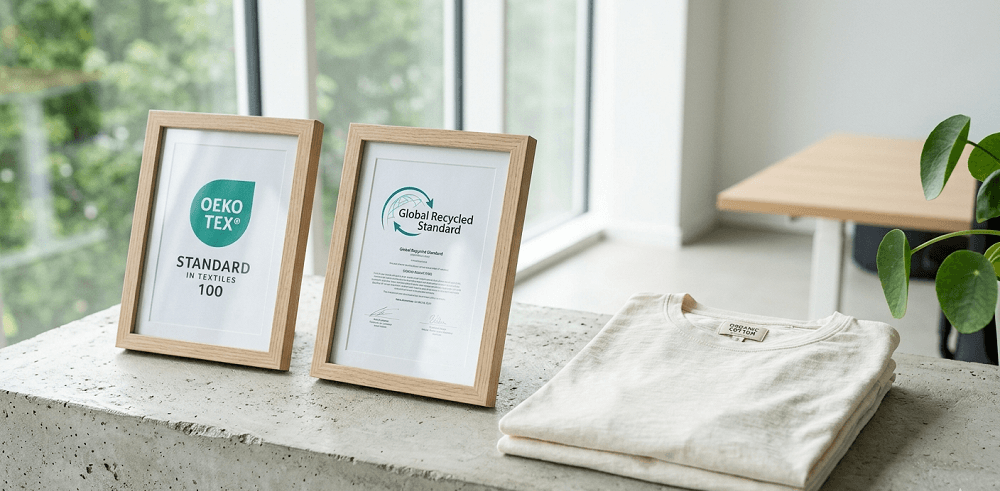
- OEKO-TEX Standard 100: To ensure no harmful chemicals contact the skin.
- GRS: If claiming recycled content.
III. Equipment Capability
A factory’s machinery dictates your product quality. Look for:
- Santoni Machines: For high-end seamless.
- Laser Cutting: For "raw edge" finishes and precision venting.
- Bonding Machines: For stitchless, high-comfort seams.
IV. Lead Times and Sampling Workflow
A realistic activewear production cycle in 2026 looks like this:
- Sampling: 7–15 days.
- Bulk Production: 30–45 days (after sample approval).
- Shipping (Sea): 25–35 days.
Sourcing Workflow: From RFQ to Onboarding
For professional buyers, the onboarding process follows a specific sequence to mitigate risk:
- Initial Filter: Send a basic Tech Pack to 5 factories. If they don't ask about fabric composition or GSM, they aren't technical enough.
- Paid Sampling: Order samples from the top 3. Test for "stretch recovery" and "colorfastness" after 10 washes.
- The "Squat Test": Specifically for leggings—verify opacity under bright light.
- On-site or Third-Party Audit: Before paying the 30% deposit, hire an agency (like QIMA or V-Trust) to visit the factory and verify their production capacity.
- Quality Control (QC) Point: Set a "mid-line inspection" at 30% production to catch errors before they are finished.
Reference Sources
- China National Textile and Apparel Council (CNTAC)
- Global Recycled Standard (GRS) Database
- International Textile Manufacturers Federation (ITMF) Reports 2025
- Customs and Border Protection (CBP) Import Guidelines for Textiles