In the 2026 global trade landscape, shipping is no longer just a commodity—it is a strategic lever for procurement. With fluctuating fuel costs, evolving trade regulations, and the push for green logistics, choosing a shipping partner from China requires more than just a price check. It requires an understanding of their infrastructure, digital capabilities, and "on-the-ground" presence in China’s manufacturing clusters.
This guide ranks the top 6 shipping companies and service providers that dominate the China-to-global routes, specifically analyzed through the lens of a professional procurement manager.
The 2026 Shipping Landscape: Why Choice Matters
For an importer, the "best" shipping company is the one that minimizes your Total Landed Cost while ensuring supply chain predictability. Whether you are moving high-volume industrial components or time-sensitive e-commerce stock, your choice generally falls into three categories: Asset-heavy carriers (the ship owners), Domestic giants (China's internal infrastructure), and Digital disruptors (visibility-focused).
- Top 10 China Sourcing Mistakes to Avoid in 2026 (And Best Solutions)
- Top China Wholesale Trends to Watch in 2026: A Strategic Sourcing Guide
- Top 7 Sustainable Manufacturers in China for ESG Sourcing (2026 Guide)
- Top 7 China Eco-Friendly Packaging Suppliers: 2026 Sourcing Guide
- Top 10 China Stationery Suppliers in 2026: Expert Sourcing Guide
Ranked: Top 6 Shipping Companies from China
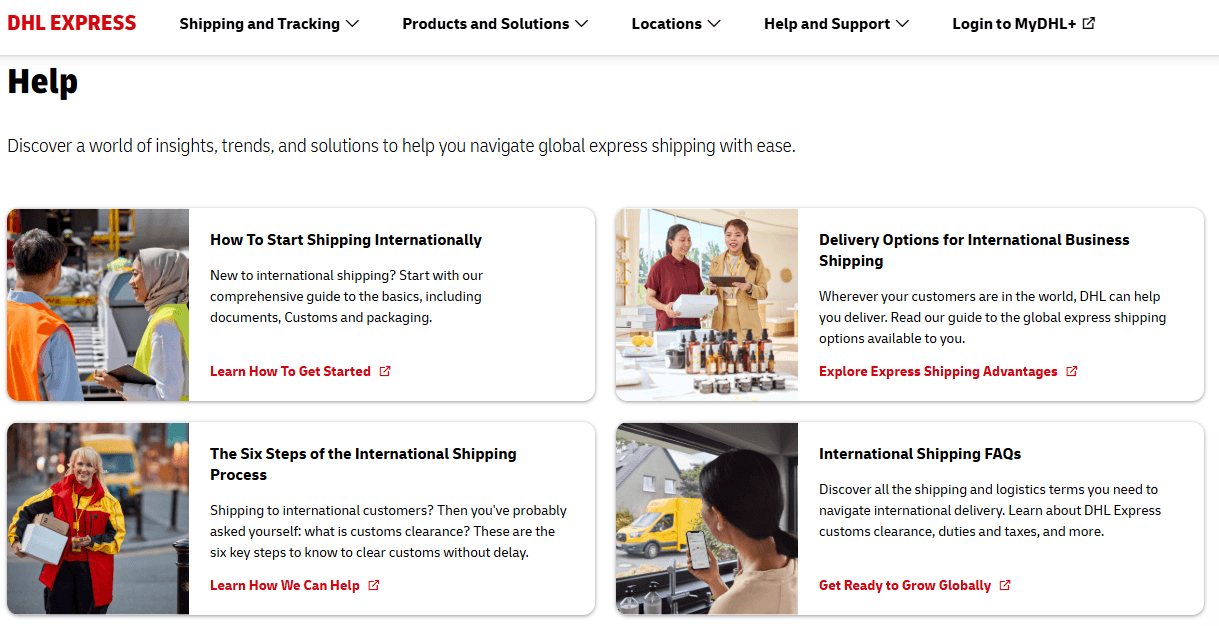
1. DHL Express: The Gold Standard for Speed and Samples
When your procurement workflow is in the "Sample Approval" or "Emergency Restock" phase, DHL Express remains the unrivaled leader. In 2026, their air-express network out of Shenzhen, Shanghai, and Hong Kong offers the most reliable 48-to-72-hour windows to Europe and North America.
- Best for: Small Buyers, E-commerce Sellers, and Brand Owners requiring rapid prototyping.
- Sourcing Advantage: Their "Paperless Trade" system integrates directly with Chinese export customs, reducing the risk of administrative delays.
- Procurement Reality: While the cost per kilogram is the highest among the six, the trade-off is zero infrastructure friction.
2. Maersk: The End-to-End Integrated Leader
Maersk has successfully transitioned from a container line to a "Global Integrator." For brand owners who want to bypass the complexity of hiring multiple agents, Maersk offers a "factory-to-door" service.
- Best for: Mid-to-Large Brand Owners who value a simplified supply chain.
- Sourcing Advantage: Maersk’s digital platform allows you to book ocean freight, inland trucking in China, and destination warehousing in one single interface.
- Procurement Reality: They are less flexible on price negotiations for small volumes but offer unmatched stability for long-term contract shippers.
3. MSC (Mediterranean Shipping Company): The Global Capacity King
As the world’s largest container shipping line by TEU capacity, MSC is the go-to for buyers prioritizing volume and route frequency. If you are shipping from major ports like Ningbo-Zhoushan or Qingdao, MSC likely has the most frequent departures.
- Best for: Bulk Buyers and Wholesalers moving large volumes (FCL).
- Sourcing Advantage: Massive scale often translates to more competitive spot rates on major transpacific and Asia-Europe lanes.
- Procurement Reality: As an asset-heavy carrier, their customer service can feel "robotic." Professional buyers usually pair MSC with a localized freight forwarder for better communication.
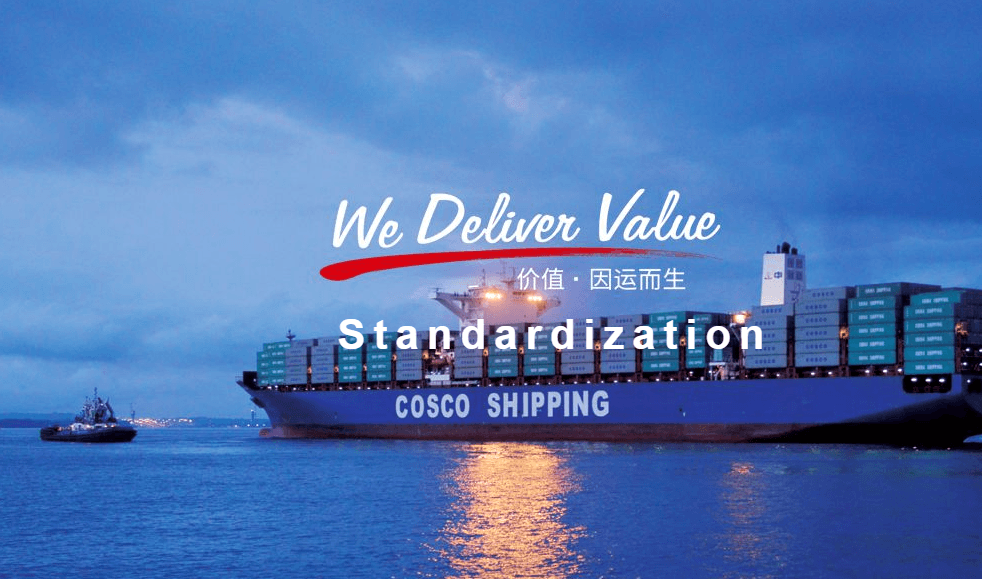
4. COSCO Shipping: The Home-Field Powerhouse
State-owned COSCO is the backbone of China’s maritime trade. For any procurement involving the "Belt and Road" routes or specialized terminal access within China, COSCO is often the default choice.
- Best for: Bulk Buyers and Industrial Importers sourcing from state-linked factories.
- Sourcing Advantage: Unparalleled priority at Chinese ports. During peak seasons (like the pre-Lunar New Year rush), COSCO often has better equipment (empty container) availability than foreign carriers.
- Procurement Reality: Highly reliable for China-centric operations, though their digital interface can sometimes lag behind Maersk or Flexport.
5. Sinotrans: The Domestic Infrastructure Giant
Sinotrans is the largest integrated logistics company in China. Unlike the carriers above, Sinotrans excels at the "First Mile." If your factory is located in an inland province like Sichuan or Henan, Sinotrans has the rail and trucking network to bring that cargo to the coast.
- Best for: Sourcing Businesses and Importers dealing with complex inland logistics.
- Sourcing Advantage: They act as a Tier-1 forwarder with deep ties to Chinese customs and domestic warehousing. They are the masters of "Buyer’s Consolidation."
- Procurement Reality: Essential for buyers sourcing from multiple provinces who need to consolidate goods into a single container before export.
6. Flexport: The Tech-Enabled Transparency Partner
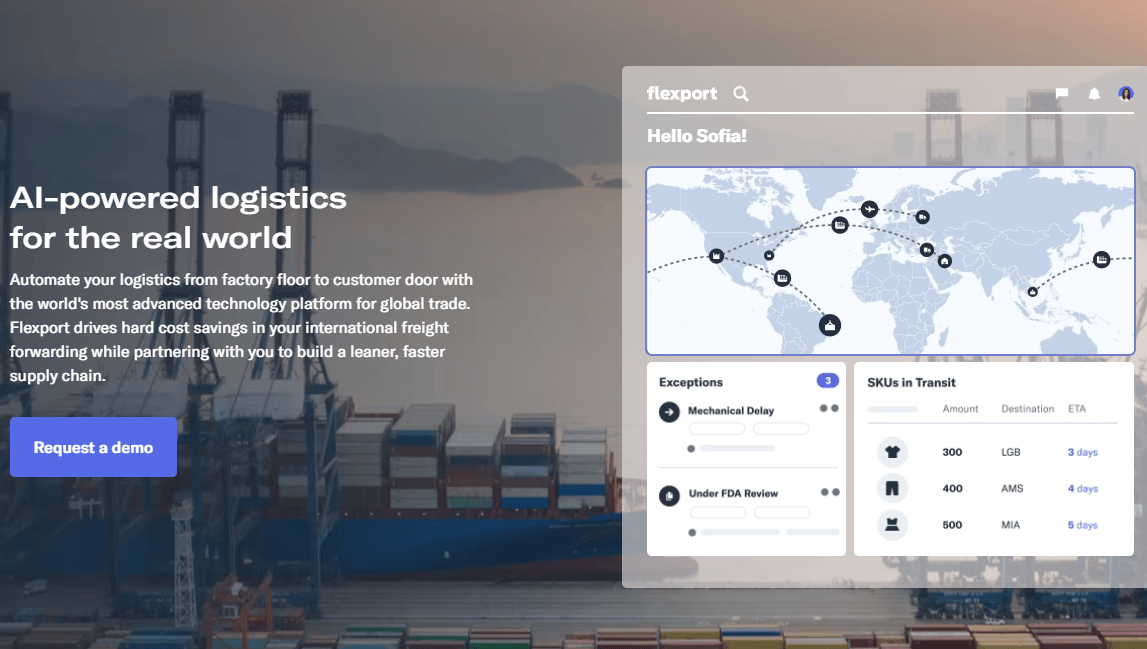
Flexport has redefined the shipping experience for the modern, data-driven buyer. They are a digital freight forwarder that uses a proprietary platform to give you SKU-level visibility into your shipments.
- Best for: E-commerce Sellers (Amazon/Shopify) and Tech-forward Brand Owners.
- Sourcing Advantage: Their dashboard allows procurement teams to see exactly where their goods are, which is critical for managing inventory lead times in 2026.
- Procurement Reality: Their "white-glove" digital service comes with a premium compared to traditional local Chinese forwarders, but the data insights often save money on detention and demurrage fees.
Comparison Table: Choosing Your Logistics Partner
| Company | Primary Strength | Ideal Shipment Size | Technology Level | Best Buyer Match |
|---|---|---|---|---|
| DHL Express | Speed & Customs | Samples / <100kg | High | Small Buyer / Start-up |
| Maersk | End-to-End Control | FCL / LCL | High | Established Brand Owner |
| MSC | Capacity & Frequency | High Volume FCL | Medium | Bulk Importer |
| COSCO | China Port Priority | Bulk / Industrial | Medium | Large Scale Wholesaler |
| Sinotrans | Inland Network | Consolidation | Medium | Multi-factory Sourcing |
| Flexport | Data Visibility | LCL / FCL | Ultra-High | E-commerce / Tech Brand |
Strategic Buyer Advice: Navigating 2026 Logistics
1. Don't Rely on a Single Provider
Savory procurement managers use a "Hybrid Logistics Model." They might use DHL for rapid sampling, Sinotrans for consolidating goods from three different factories in Guangdong, and MSC for the actual ocean transit.
2. Negotiate on Incoterms, Not Just Freight
In 2026, many Chinese suppliers will push for CIF (Cost, Insurance, and Freight). However, to use the companies ranked above effectively, you should buy on FOB (Free On Board) terms. This gives you the power to choose between a digital player like Flexport or a domestic giant like Sinotrans, ensuring you control the destination costs.
3. Factor in "Green Logistics"
By 2026, carbon reporting is mandatory in many jurisdictions. Companies like Maersk and DHL are leading the way in "Green Credits" for bio-fueled shipping. If your brand positioning relies on sustainability, these providers offer the necessary documentation for your ESG reporting.
Reference Sources
- Alphaliner: Daily updated rankings of global container carrier capacity.
- China Logistics & Purchasing Federation (CFLP): Official data on domestic Chinese logistics performance.
- FMC (Federal Maritime Commission): Regulatory filings for NVOCCs and ocean carriers.
- Lloyd’s List: Intelligence on global maritime trade and port congestions.