The smartwatch manufacturing landscape in 2026 has shifted from simple notification devices to sophisticated health and communication hubs. For global procurement officers, China—specifically the Shenzhen-Dongguan corridor—remains the epicenter of this industry. However, the complexity of sourcing electronics has increased; you are no longer just buying hardware, but also software stability, data privacy compliance, and battery safety.
Choosing the right manufacturer depends heavily on your search intent: are you looking for a Tier-1 ODM that services global tech giants, or a flexible OEM factory capable of private-labeling for an e-commerce brand? This guide breaks down the top players in the Chinese smartwatch ecosystem to help you match your procurement needs with the right production capabilities.
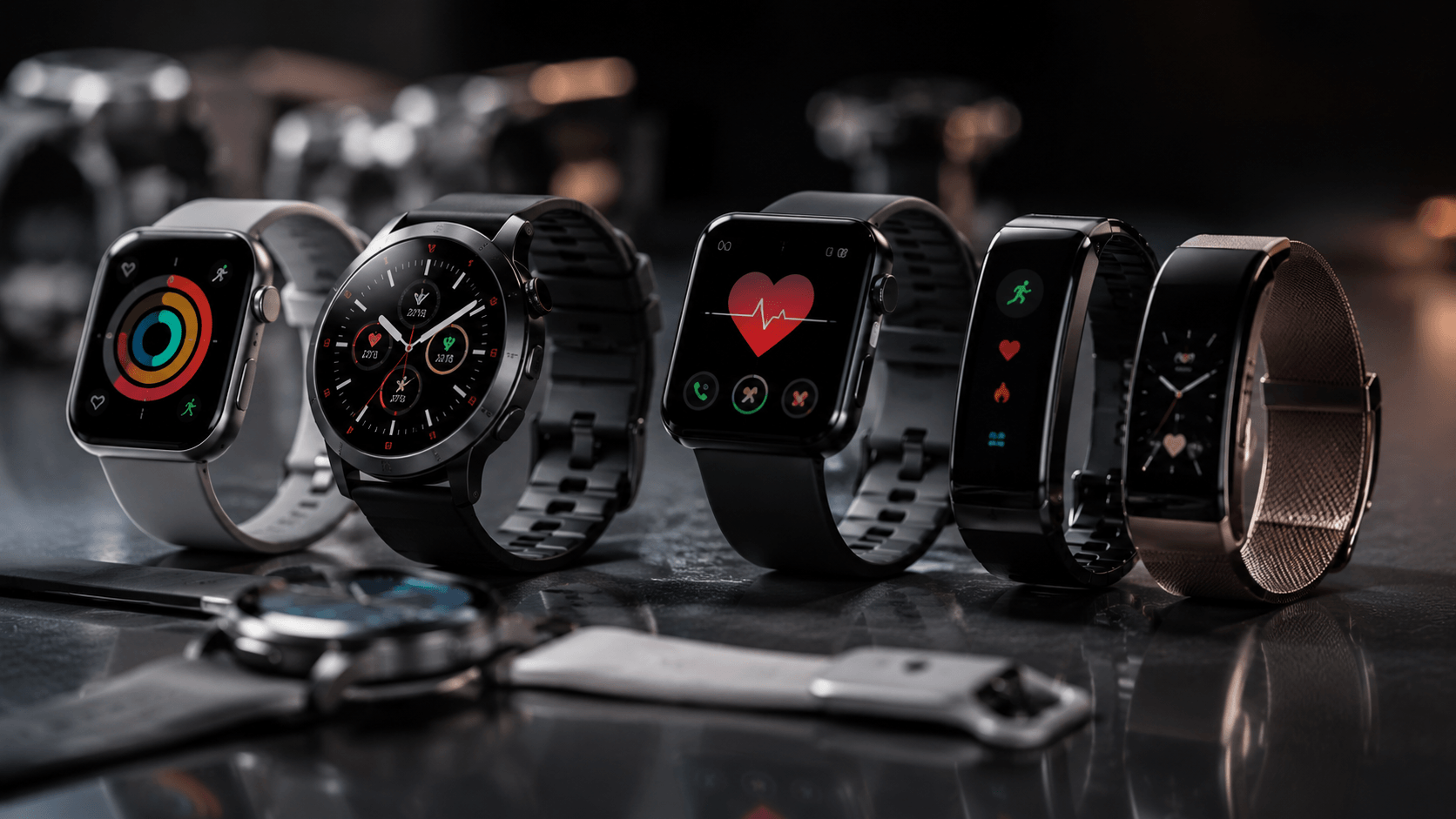
The Smartwatch Manufacturing Cluster: Why Shenzhen?
Unlike traditional watches, smartwatches require a convergence of three distinct supply chains:
- Hardware & Mold-making: High-precision CNC and plastic injection.
- PCBA & Semiconductors: Integration of chipsets (Realtek, JL, or high-end Snapdragon).
- Software & APP Ecosystem: The stability of the companion app (e.g., Da Fit, FitCloudPro, or proprietary SDKs).
Most top-tier manufacturers are located in Shenzhen (Bao'an and Longhua districts) and Dongguan, where the proximity to component suppliers reduces lead times and logistics costs.
2026 Top Smart Watch Manufacturers in China
1. Longcheer Technology (The Tier-1 Giant)
Specialization: High-end ODM for global smartphone brands.
Best For: Bulk buyers and multinational corporations.
Longcheer is one of the world’s largest Original Design Manufacturers (ODM). They operate at a scale that services "Big Tech" brands. If your procurement volume is in the hundreds of thousands of units and you require rigorous R&D, MIL-STD durability testing, and cellular (LTE/5G) integration, Longcheer is the industry standard.
- Sourcing Suitability: High MOQs (typically 10,000+ units), but world-class quality control.
- Limitation: Generally inaccessible to small or medium-sized buyers.
2. Shenzhen Microwear Technology
Specialization: Feature-rich fashion and sports smartwatches.
Best For: Brand owners and mid-market distributors.
Microwear has carved out a niche by offering high-end features (like AMOLED screens and ECG monitoring) at mid-range price points. They are particularly strong in the "Ultra" series clones and rugged outdoor models.
- Sourcing Suitability: Excellent for private labeling; they offer strong support for UI customization.
- Limitation: Their catalog is vast, requiring buyers to be specific about which chipset they want to avoid performance lag.
3. Shenzhen Colmi Technology
Specialization: Entry-level to mid-range "Value-for-Money" watches.
Best For: Ecommerce sellers (Amazon/AliExpress) and budget brands.
Colmi is well-known for its "Da Fit" ecosystem watches. They provide a stable balance between cost and performance. For buyers looking to enter the market with a reliable product that won't result in a high return rate, Colmi’s standardized production lines offer peace of mind.
- Sourcing Suitability: Relatively low MOQs for logo printing (often starting at 500–1,000 pieces).
- Limitation: Less flexibility in deep hardware customization (mold-changing).
4. Wearpai (Shenzhen Wearpai Intelligent Technology)
Specialization: Health-centric wearables and the "WearFit Pro" ecosystem.
Best For: Brand owners focused on health tracking and fitness.
Wearpai is a leader in integrating health sensors (blood glucose trends, heart rate, sleep tracking) into sleek designs. They own the "WearFit Pro" app ecosystem, which is one of the most popular third-party smartwatch platforms globally.
- Sourcing Suitability: Ideal for buyers who want a ready-made software ecosystem with a polished user interface.
- Limitation: Software updates can sometimes be frequent, requiring good communication with their technical team.
5. DT No.1 (Shenzhen Xinkeying Technology)
Specialization: Design-forward watches with high-resolution displays.
Best For: Boutique brands and fashion retailers.
DT No.1 focuses heavily on the "look and feel." They are often the first to market with new screen technologies (like edge-to-edge displays) and innovative strap designs. Their procurement process is streamlined for international buyers.
- Sourcing Suitability: Great for buyers who prioritize aesthetics and "first-to-market" designs.
- Limitation: Battery life can vary significantly between models; testing samples is mandatory.
6. Shenzhen Share Technology (Shenzhen Share Smart)
Specialization: Professional-grade GPS and specialized outdoor watches.
Best For: Niche brands targeting hikers, runners, and athletes.
While many manufacturers use "AGPS" (simulated GPS), Share Smart specializes in integrated ceramic GPS antennas for real-time tracking without a phone. This makes them a preferred partner for brands in the sports and professional outdoor equipment vertical.
- Sourcing Suitability: High-precision hardware; they offer deep OEM/ODM services for technical specs.
- Limitation: Higher unit cost compared to general-purpose fashion smartwatches.

7. Linwear Innovation
Specialization: High-quality PCBA design and software stability.
Best For: Brand owners requiring high reliability and low RMA rates.
Linwear is often praised by sourcing agents for their manufacturing discipline. They focus on the "internal" quality—ensuring the soldering, battery protection boards (NTC), and waterproof seals meet international standards.
- Sourcing Suitability: Professional B2B workflow with transparent QC reports.
- Limitation: Their designs may be more conservative compared to trend-following factories.
8. Valdus (Shenzhen Valdus Technology)
Specialization: Versatile OEM services with a focus on emerging markets.
Best For: Sourcing businesses and regional distributors.
Valdus has a massive production capacity and a very wide product range. They are highly experienced in the logistics and certification requirements for markets in Southeast Asia, the Middle East, and Latin America.
- Sourcing Suitability: Excellent localized support and flexible pricing structures.
- Limitation: Massive product variety means buyers must perform their own rigorous vetting on specific models.
Comparative Procurement Matrix
| Manufacturer | Best For | App Ecosystem | Estimated MOQ (Custom) | Tech Strength |
|---|---|---|---|---|
| Longcheer | Enterprise | Proprietary/WearOS | 10,000+ | 5G/LTE Integration |
| Microwear | Brand Owners | MActivePro | 1,000 | AMOLED/Case Quality |
| Colmi | Ecommerce | Da Fit | 500 | Cost-Efficiency |
| Wearpai | Health Brands | WearFit Pro | 1,000 | Health Sensor Data |
| DT No.1 | Fashion | WearPro | 500 | UI/UX Design |
| Linwear | Reliability | FitCloudPro | 1,000 | Hardware Stability |
| Share Smart | Outdoor/Pro | Proprietary | 500 | GPS Accuracy |
| Valdus | Distributors | Multiple | 500 | Scale/Logistics |
Procurement Realism: 3 Critical Vetting Factors for 2026
When evaluating a smart watch manufacturer in China, savvy procurement officers look beyond the price list. Here is how to vet your potential partner:
1. The App Ecosystem (The "Ghost" in the Machine)
The hardware is only half the product. A smartwatch with a buggy, poorly translated, or data-insecure app will lead to a 20%+ return rate on Amazon or Shopify.
- Action: Download the factory's companion app before signing a contract. Check for last update dates, user reviews, and data privacy policies (GDPR compliance is essential for European markets).
2. Chipset & Memory (The Performance Engine)
Avoid generic terms like "High-speed chip." Insist on knowing the specific MCU:
- Entry-level: JL (Jerry) or BK (Beken). Good for low-cost promo items.
- Mid-range: Realtek (e.g., 8762D, 8763E). The industry standard for reliable fashion watches.
- High-end: Snapdragon Wear or high-spec Apollo series for smooth 60fps UI.
3. Battery Safety & Certification
Smartwatches sit against the skin and charge frequently. Battery swelling or overheating is a major liability risk.
- Verification: Ask for UN38.3, MSDS, and IEC 62133 certifications for the battery. Ensure the factory uses an NTC (Negative Temperature Coefficient) thermistor on the battery protection board.
Why Sourcing Through a Verified Workflow Matters
In the electronics sector, "production variability" is a real risk. A golden sample might perform perfectly, but the mass production run might use a cheaper screen or a different batch of sensors.
Procurement Tip: Many importers find that hiring a third-party inspection service (like V-Trust or QIMA) for a During Production Inspection (DPI) is the most effective way to catch component-swapping before the goods leave the factory.
Reference Sources:
- Shenzhen Smart Wearable Industry Association (SSWA) 2025 Industry Map
- Global Sources Consumer Electronics Report: Wearables Vertical
- Bluetooth SIG (Special Interest Group) Qualified Design Listings
- TUV Rheinland Battery Safety Standards for Wearables