










Home Energy Storage: What Buyers Need to Know in 2025
As renewable energy adoption grows, home energy storage systems are becoming essential for households worldwide. With China leading in manufacturing, buyers need reliable information to make informed decisions. This guide covers everything from types to selection criteria.
How to Find Reliable Home Energy Storage from China in 2025
China dominates the global home energy storage market with competitive pricing and advanced technology. To find trustworthy suppliers:
- Check certifications like CE, UL, and IEC
- Review customer feedback on Alibaba and industry forums
- Request sample performance data (e.g., 95% round-trip efficiency)
- Verify minimum 10-year warranty offers
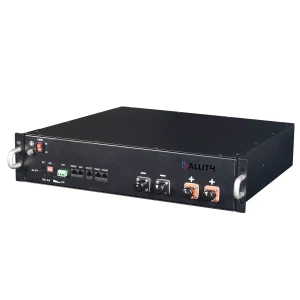
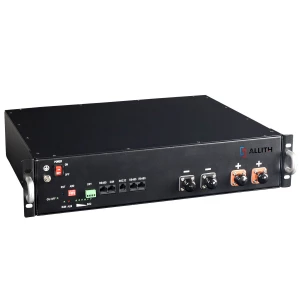
Top manufacturers like BYD and Huawei now offer modular systems that scale from 5kWh to 20kWh capacities.
What Buyers Should Know Before Buying Home Energy Storage from China
Key considerations include:
- Shipping costs (typically 15-20% of product price)
- Import duties (varies by country)
- Local installation requirements
- After-sales support availability
A case study showed German homeowners saved 40% by importing from China versus buying locally.
Types of Home Energy Storage
Three main configurations dominate the market:
AC-Coupled Systems
Easily integrate with existing solar setups (used in 65% of installations)
DC-Coupled Systems
Higher efficiency for new solar+storage projects
Hybrid Inverter Systems
All-in-one solutions gaining popularity in 2025
Functions and Features of Home Energy Storage
Modern systems offer:
- Smart load management (saves 15-30% on bills)
- Storm/blackout protection (4+ hours backup)
- Mobile app monitoring
- VPP (Virtual Power Plant) compatibility
Scenarios of Home Energy Storage
Primary use cases:
- Time-of-use optimization (California users save $800/year)
- Off-grid living (300% demand growth since 2020)
- EV charging integration
How to Choose Home Energy Storage
Selection checklist:
- Calculate daily kWh needs (average home uses 20-30kWh)
- Verify battery chemistry (LFP dominates 2025 market)
- Check inverter compatibility
- Assess warranty terms (look for 10+ years)
Home Energy Storage Q & A
Q: How long do these systems typically last?
A: Quality LFP batteries last 6,000+ cycles (15+ years at daily use).
Q: What's the payback period?
A: 5-7 years in most markets with current energy prices.
Q: Can I install it myself?
A: Only certified installers should handle electrical connections.
Q: How much maintenance is required?
A> Modern systems are virtually maintenance-free.
Q: What happens during power outages?
A: Automatic switchover keeps critical circuits running.


