





Best Scanners for Every Need in 2025: A Buyer's Guide
In today's digital age, scanners have become essential tools for both personal and professional use. Whether you need to digitize documents, photos, or even 3D objects, there's a scanner designed to meet your needs. This guide will help you navigate the world of scanners, highlighting the best options available in 2025.
How to Find Reliable Scanners from China in 2025
China is a leading manufacturer of high-quality scanners, offering a wide range of options at competitive prices. To find reliable suppliers, consider platforms like Alibaba, which vet manufacturers and provide buyer protection. Look for suppliers with high ratings, positive reviews, and certifications like ISO 9001. Request samples to test product quality before placing bulk orders.
What Buyers Should Know Before Buying Scanners from China
When purchasing scanners from China, always verify the supplier's credibility. Check for MOQs (Minimum Order Quantities) and negotiate terms like shipping and warranties. Be aware of import duties and taxes in your country. Opt for suppliers who offer after-sales support to address any issues post-purchase.
Types of Scanners
Scanners come in various types, each suited for specific tasks:
- Flatbed Scanners: Ideal for documents and photos.
- Sheet-fed Scanners: Perfect for high-volume document scanning.
- Portable Scanners: Compact and great for on-the-go use.
- 3D Scanners: Used for capturing three-dimensional objects.
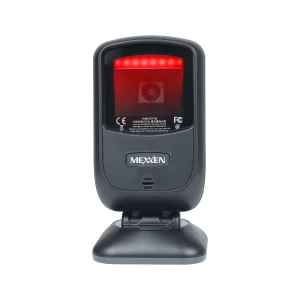
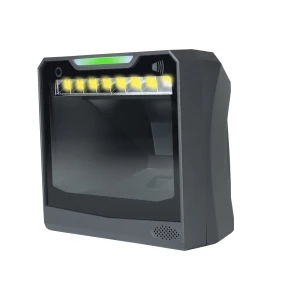
- Barcode Scanners: Essential for retail and inventory management.
Functions and Features of Scanners
Modern scanners offer advanced features like wireless connectivity, high-resolution scanning, and automatic document feeders (ADF). Some models include OCR (Optical Character Recognition) software to convert scanned text into editable documents. Look for features that match your specific needs, such as duplex scanning for double-sided documents.
Scenarios of Scanners
Scanners are used in various scenarios:
- Home Use: Digitizing family photos and important documents.
- Office Use: Streamlining paperwork and improving efficiency.
- Retail: Managing inventory with barcode scanners.
- Healthcare: Digitizing patient records for easy access.
- Education: Scanning textbooks and research materials.
How to Choose Scanners
Choosing the right scanner depends on your needs. Consider factors like scanning speed, resolution, connectivity options, and budget. For home use, a basic flatbed scanner may suffice, while offices might benefit from a high-speed sheet-fed model. Always read reviews and compare specifications before making a decision.
Scanners Q & A
Q: What is the best scanner for home use?
A: A flatbed scanner with a resolution of at least 1200 dpi is ideal for home use.
Q: How do I maintain my scanner?
A: Regularly clean the glass surface and rollers, and update the driver software.
Q: Can scanners convert handwritten notes to digital text?
A: Yes, with OCR software, some scanners can convert handwritten text.
Q: What is the difference between a flatbed and sheet-fed scanner?
A: Flatbed scanners are better for delicate or odd-sized items, while sheet-fed scanners are faster for bulk documents.
Q: Are wireless scanners reliable?
A: Yes, modern wireless scanners offer reliable performance with the convenience of no cables.


