


.JPG_300x300.webp)







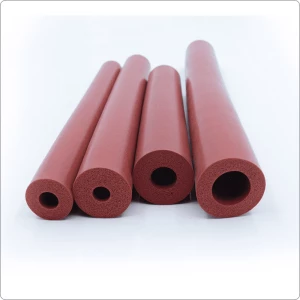


Polyurethane Rubber: Key Considerations for Buyers in 2025
Polyurethane rubber is a versatile material widely used in industries due to its durability, flexibility, and resistance to wear. Whether you're sourcing for manufacturing or industrial applications, understanding its properties and sourcing options is crucial. This guide covers everything from types and features to reliable suppliers in China.
How to Find Reliable Polyurethane Rubber from China in 2025
China remains a top supplier of polyurethane rubber, offering competitive pricing and high-quality options. To find reliable suppliers:
- Check certifications like ISO 9001 and RoHS compliance.
- Review supplier history and customer feedback on platforms like Alibaba.
- Request samples to test material quality before bulk orders.
- Negotiate MOQs (Minimum Order Quantities) and lead times.
What Buyers Should Know Before Buying Polyurethane Rubber from China
Before purchasing, consider:
- Material specifications: Hardness, tensile strength, and temperature resistance.
- Logistics: Shipping costs and import duties.
- Payment terms: Secure methods like PayPal or LC (Letter of Credit).
- Customization: Ensure suppliers can meet your specific requirements.
Types of Polyurethane Rubber
Common types include:
- Thermoplastic Polyurethane (TPU): Flexible and recyclable, ideal for footwear and automotive parts.
- Cast Polyurethane: High durability, used in industrial rollers and seals.
- Millable Polyurethane: Processed like rubber, suitable for gaskets and belts.
Functions and Features of Polyurethane Rubber
Key features:
- Excellent abrasion resistance, outperforming natural rubber by 10x.
- High load-bearing capacity, ideal for heavy-duty applications.
- Resistant to oils, solvents, and UV radiation.
- Customizable hardness (Shore A 10 to Shore D 80).
Scenarios of Polyurethane Rubber
Applications include:
- Automotive: Bushings, seals, and suspension components.
- Industrial: Conveyor belts, rollers, and shock absorbers.
- Consumer Goods: Footwear soles and sports equipment.
How to Choose Polyurethane Rubber
Consider:
- Application requirements: Load, friction, and environmental conditions.
- Material hardness: Softer for cushioning, harder for structural parts.
- Supplier reputation: Look for verified manufacturers with positive reviews.
Polyurethane Rubber Q & A
Q: How does polyurethane rubber compare to natural rubber?
A: It offers superior abrasion resistance and durability, making it ideal for high-wear applications.
Q: Can polyurethane rubber withstand extreme temperatures?
A: Yes, some grades resist temperatures from -40°C to 120°C.
Q: Is polyurethane rubber eco-friendly?
A: Certain TPU variants are recyclable, but check with suppliers for sustainable options.
Q: What’s the typical lead time for orders from China?
A: Usually 2-4 weeks, depending on order size and customization.
Q: How do I verify a supplier’s credibility?
A: Request certifications, visit factories (or virtual tours), and check third-party reviews.


