














Pulp: The Ultimate Guide for Buyers in Packaging & Printing
When it comes to sustainable packaging and printing solutions, pulp is a game-changer. Whether you're sourcing materials for eco-friendly packaging or high-quality printing, understanding the ins and outs of pulp can help you make informed decisions. In this guide, we'll explore the types, functions, and buying tips for pulp in 2025.
How to Find Reliable Pulp from China in 2025
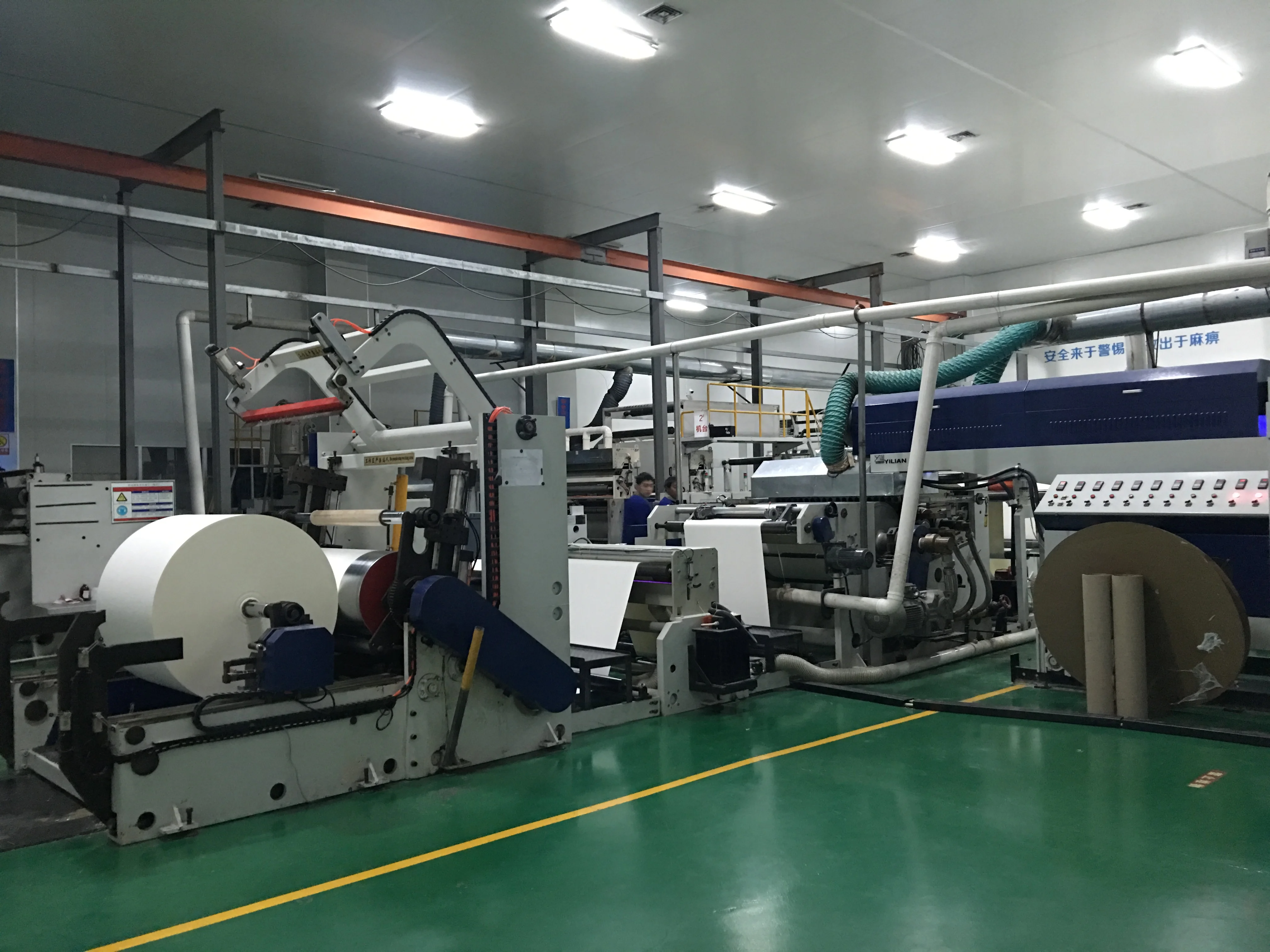
China remains a leading supplier of pulp for global markets. To find reliable manufacturers, consider platforms like Alibaba, which vet suppliers for quality and compliance. Look for certifications such as FSC (Forest Stewardship Council) or ISO 9001 to ensure sustainable and high-quality production. Additionally, request samples and check customer reviews before placing bulk orders.
What Buyers Should Know Before Buying Pulp from China
Before purchasing pulp, verify the supplier's production capacity and lead times. Chinese manufacturers often offer competitive pricing, but ensure there are no hidden costs like shipping or tariffs. Communicate clearly about your specifications, such as moisture content or fiber length, to avoid misunderstandings.
Types of Pulp
Pulp comes in various forms, each suited for different applications:
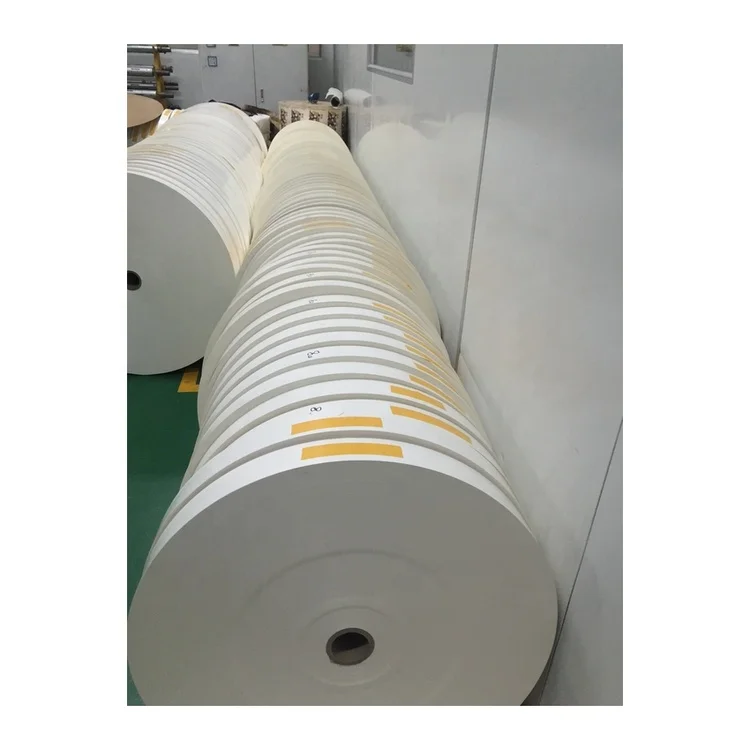
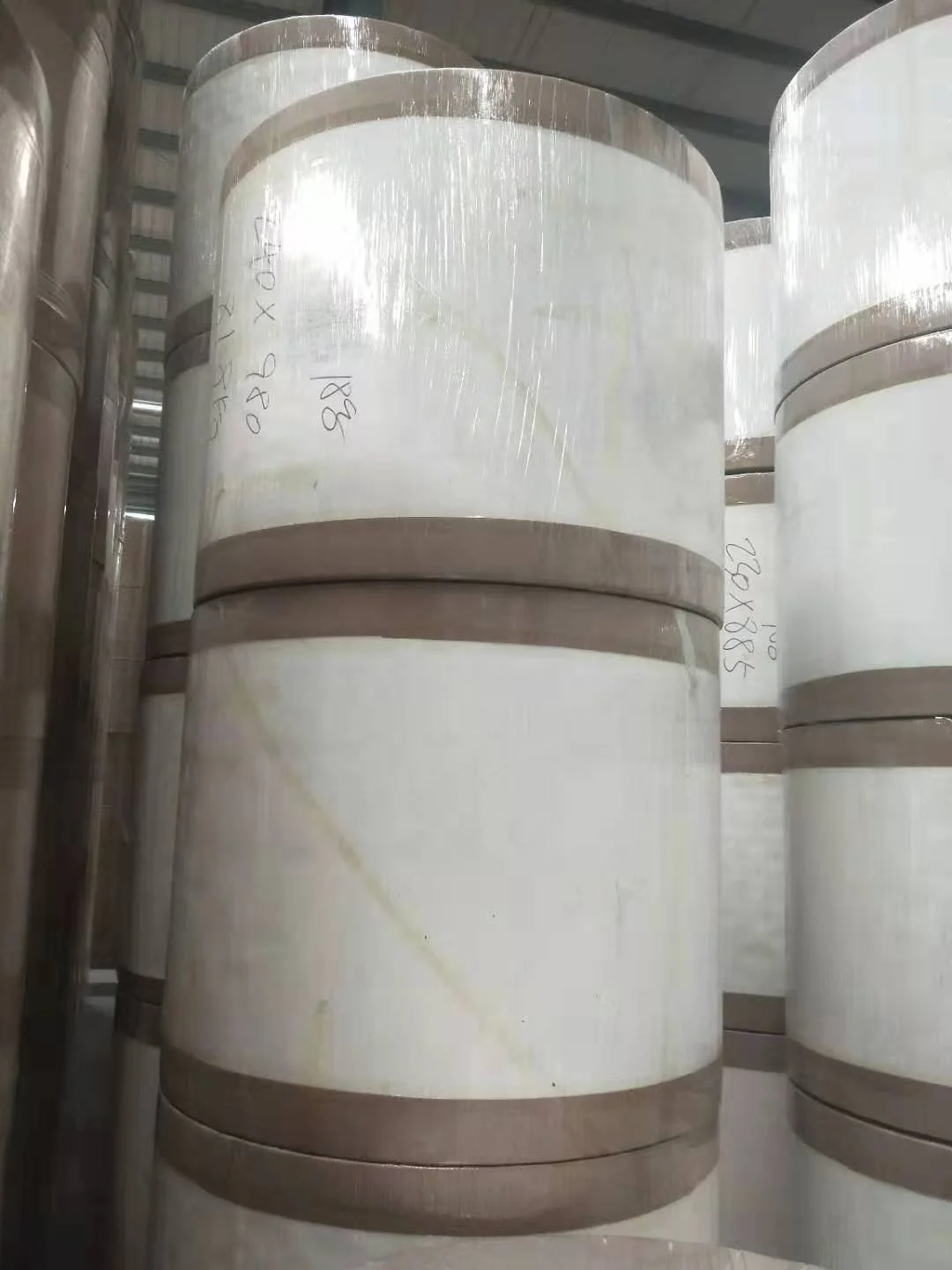
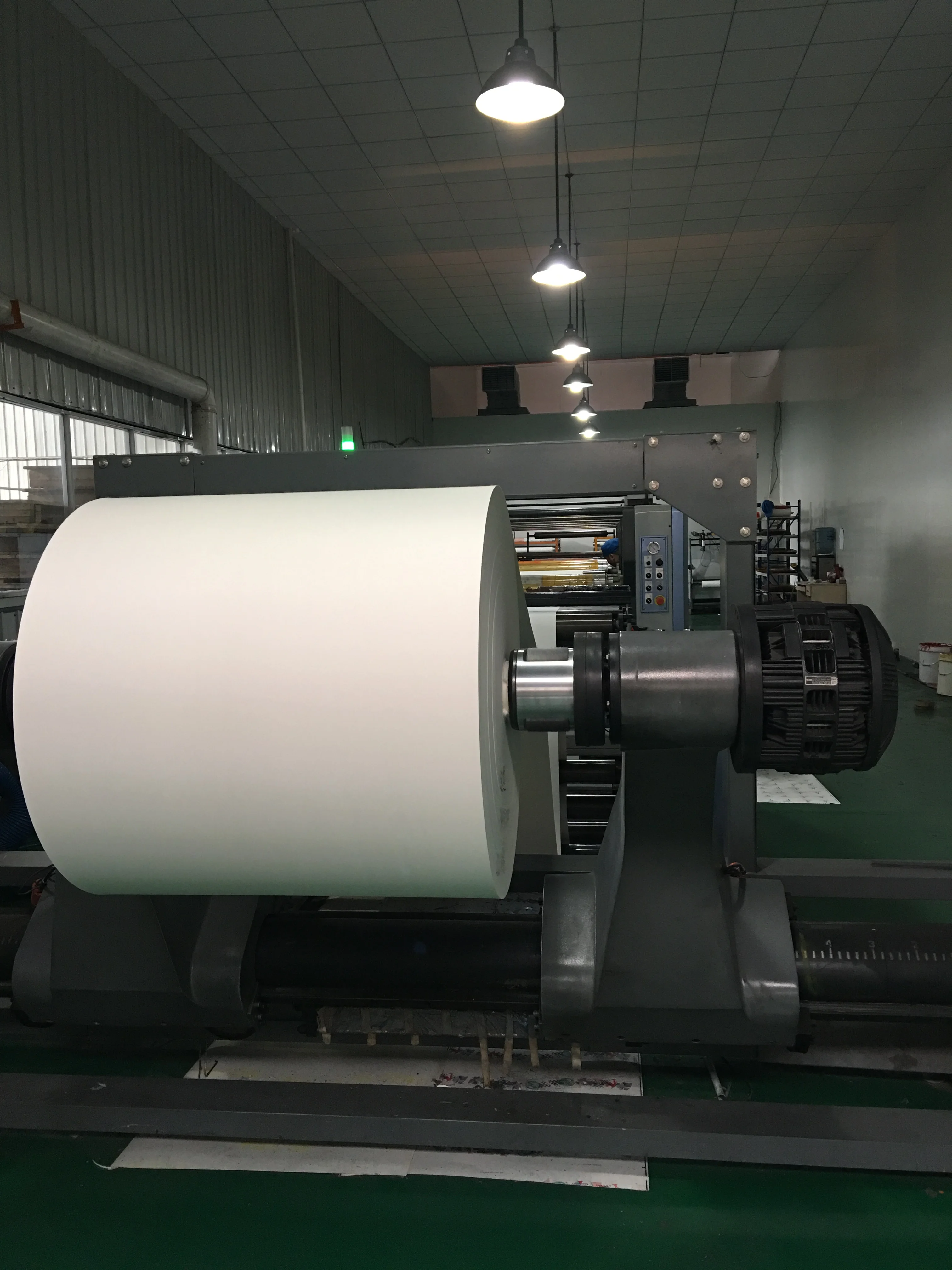
- Bleached Pulp: Ideal for high-end printing and packaging due to its bright white appearance.
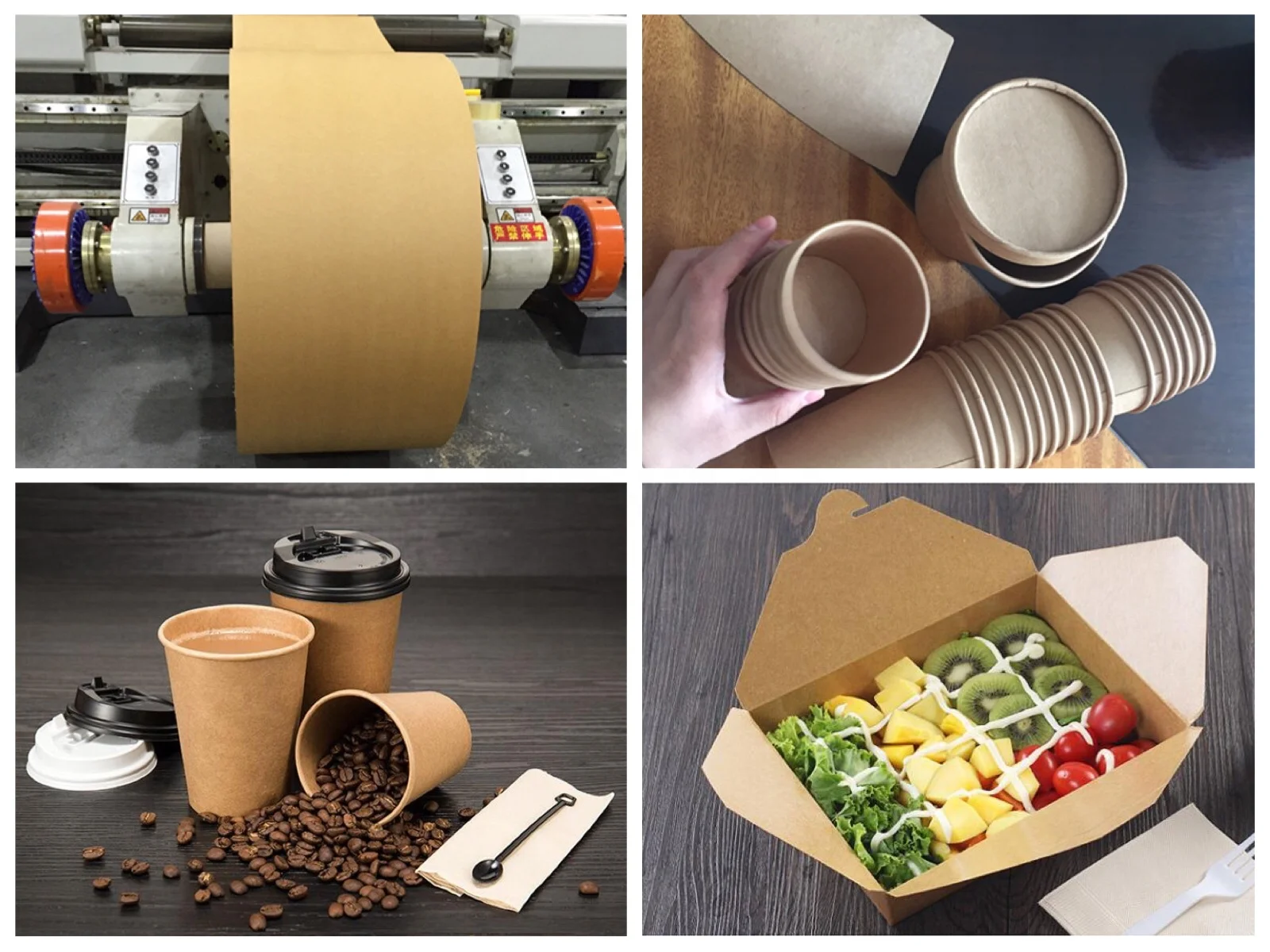
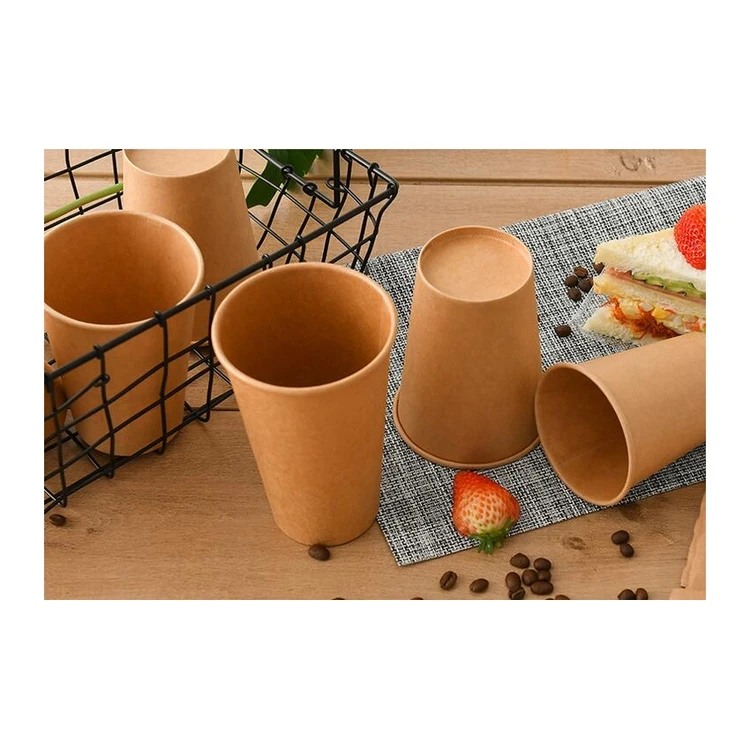
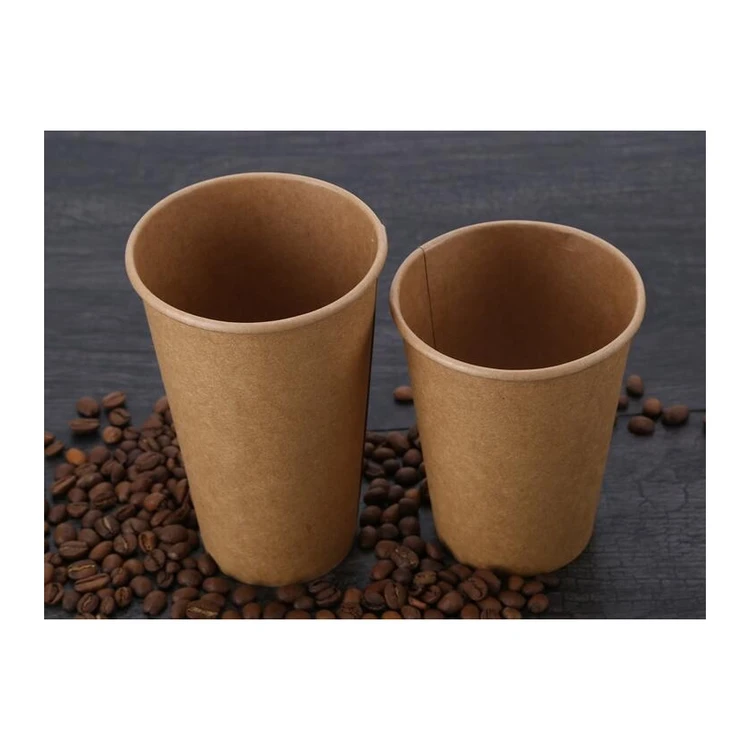
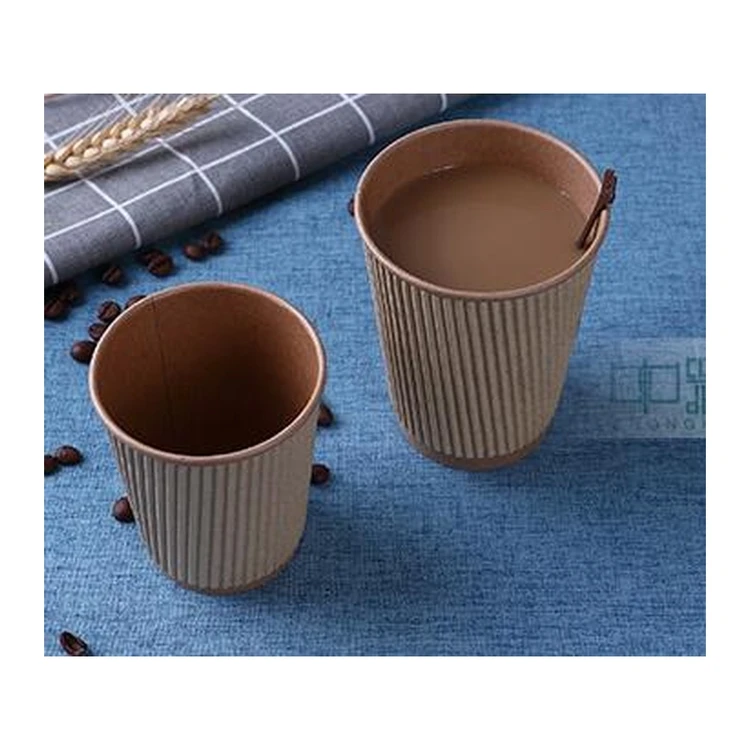
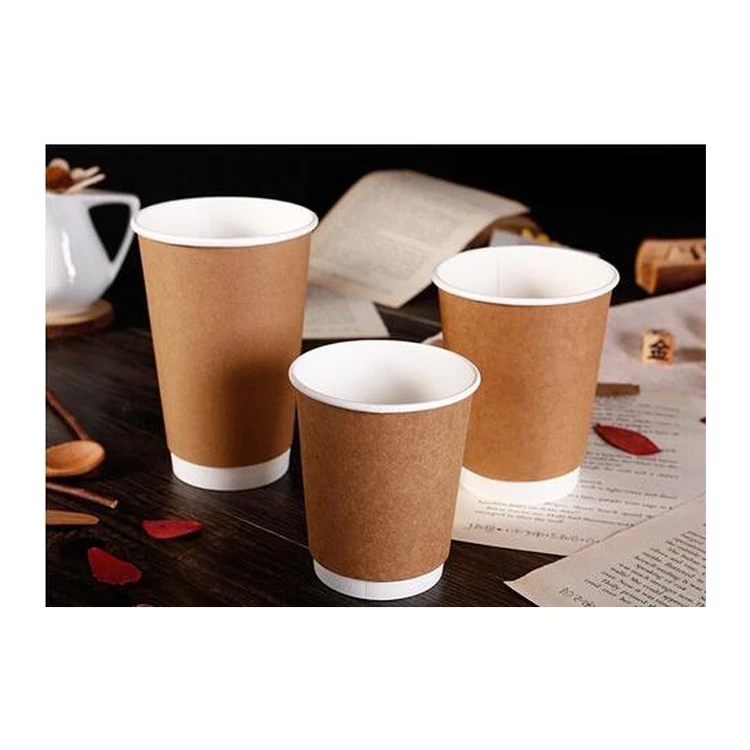
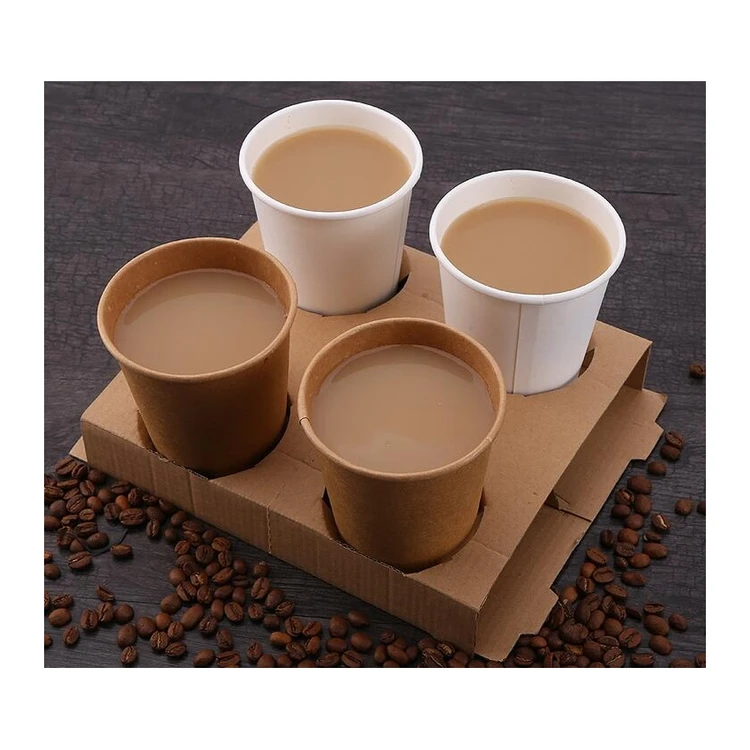
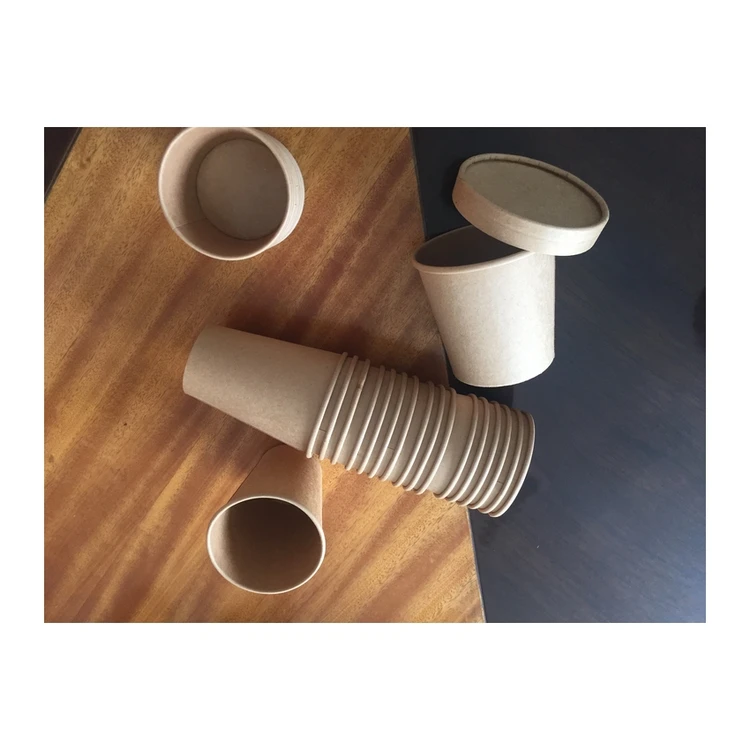
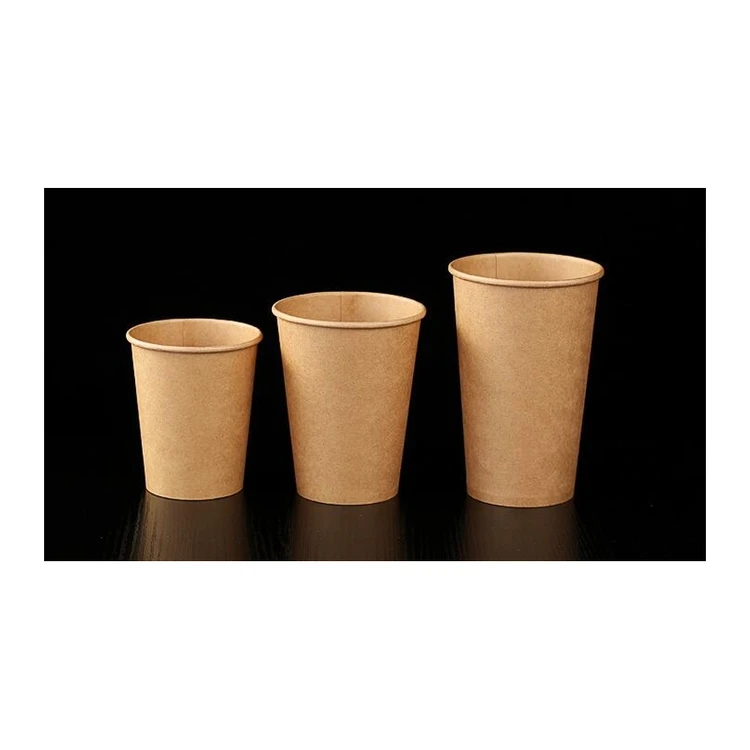
- Unbleached Pulp: More eco-friendly and cost-effective, often used for brown packaging.
- Recycled Pulp: Made from post-consumer waste, perfect for sustainable packaging solutions.
Functions and Features of Pulp
Pulp is versatile and offers several key features:
- Biodegradability: Breaks down naturally, reducing environmental impact.
- Strength and Durability: Provides structural integrity for packaging.
- Customizability: Can be molded into various shapes for different packaging needs.
Scenarios of Pulp
Pulp is widely used in:
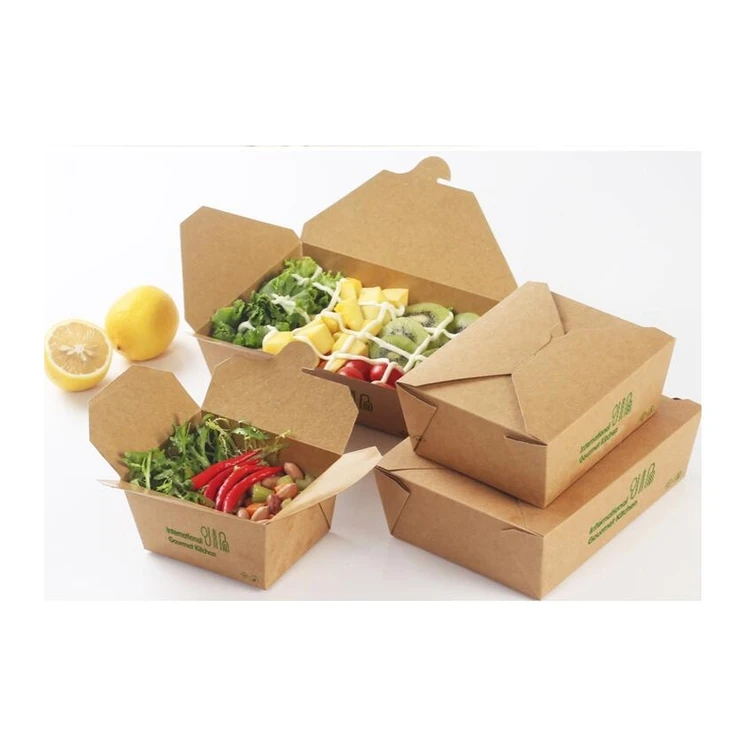
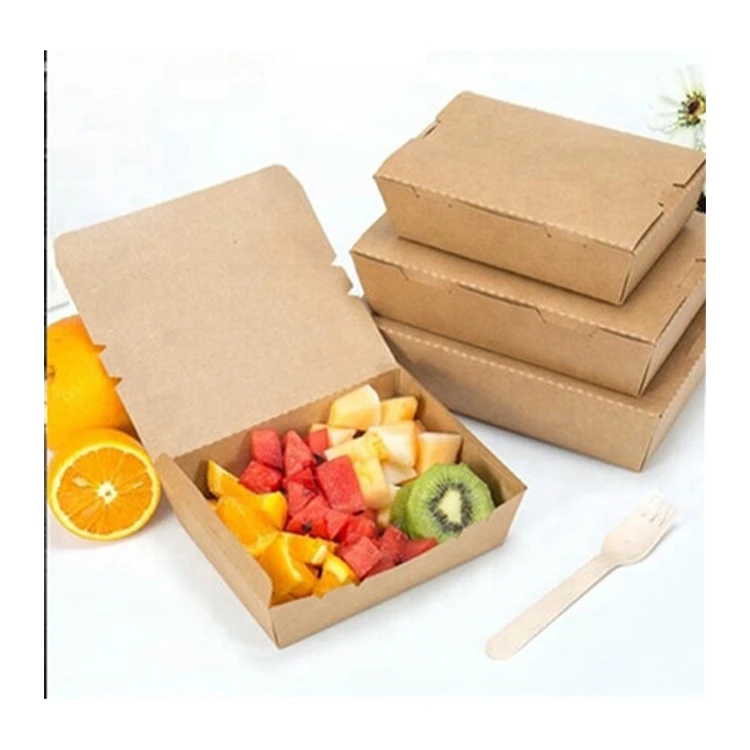
- Food Packaging: Egg cartons, takeaway containers.
- Printing Paper: Books, magazines, and office paper.
- Industrial Packaging: Protective cushioning for fragile items.
How to Choose Pulp
Selecting the right pulp depends on your needs:
- Determine the Application: Choose bleached pulp for printing or recycled pulp for eco-friendly packaging.
- Check Certifications: Ensure the pulp meets industry standards.
- Compare Suppliers: Evaluate pricing, quality, and delivery terms.
Pulp Q & A
Q: Is pulp environmentally friendly?
A: Yes, especially recycled and unbleached pulp, which have minimal environmental impact.
Q: What’s the average lead time for pulp orders from China?
A: Typically 2-4 weeks, depending on the supplier and order volume.
Q: Can pulp be used for food packaging?
A: Absolutely, as long as it’s food-grade and meets safety regulations.
Q: How do I verify a pulp supplier’s reliability?
A: Check certifications, customer reviews, and request samples before committing.
Q: What’s the difference between bleached and unbleached pulp?
A: Bleached pulp is whiter and smoother, while unbleached pulp is browner and more eco-friendly.


