







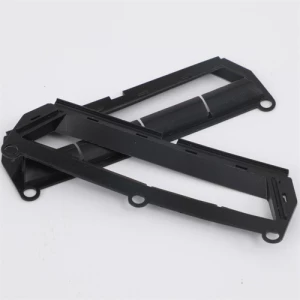
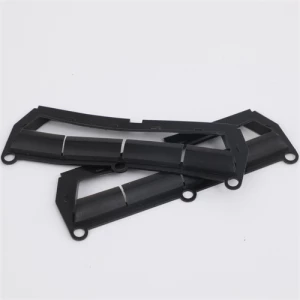
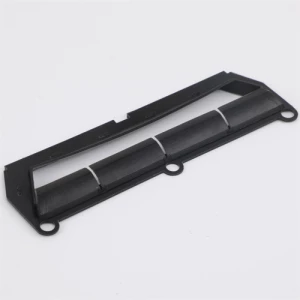

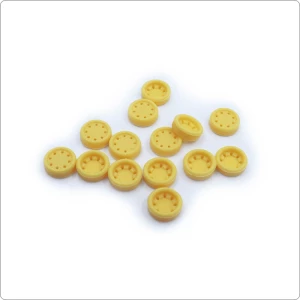



Everything You Need to Know About Gaskets for Industrial and Home Use
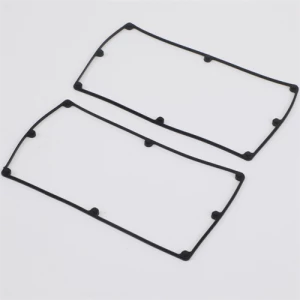
Gaskets are essential components in various industries and home applications, ensuring leak-proof connections and optimal performance. Whether you're in manufacturing, plumbing, or automotive repair, understanding the different types and features of gaskets can help you make informed purchasing decisions.
How to Find Reliable Gaskets from China in 2025
China remains a leading supplier of high-quality gaskets at competitive prices. To find reliable manufacturers, consider platforms like Alibaba, which vet suppliers and provide customer reviews. Look for suppliers with ISO certification and a proven track record in your industry.
What Buyers Should Know Before Buying Gaskets from China
Before purchasing, verify material specifications, such as rubber, silicone, or metal, to ensure compatibility with your application. Request samples to test quality and durability. Also, factor in shipping costs and lead times to avoid delays.
Types of Gaskets
Common types include:
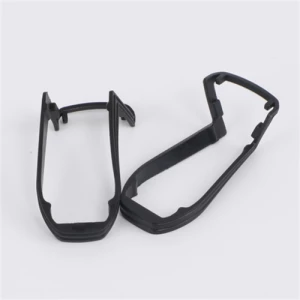
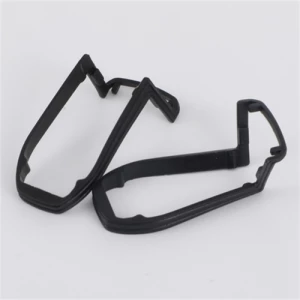
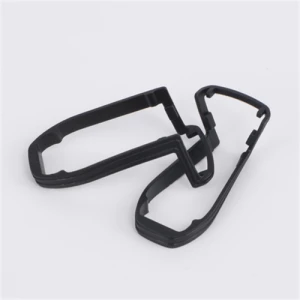
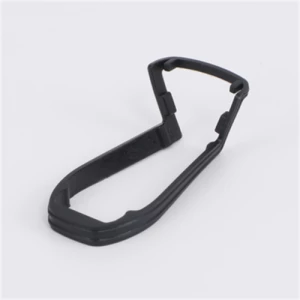
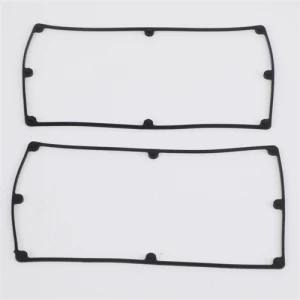
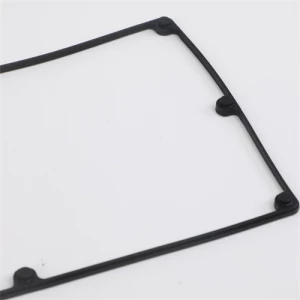
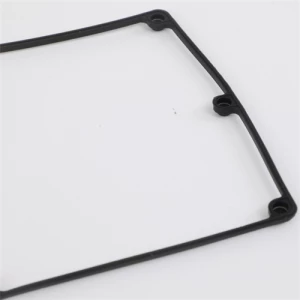
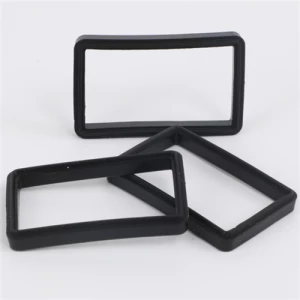
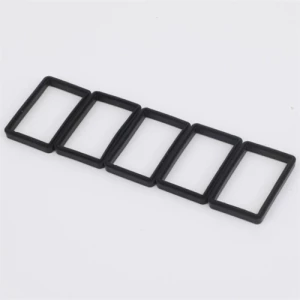
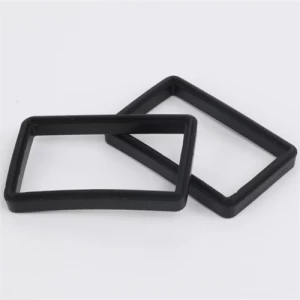
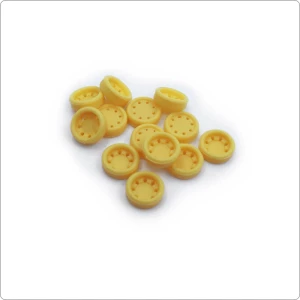
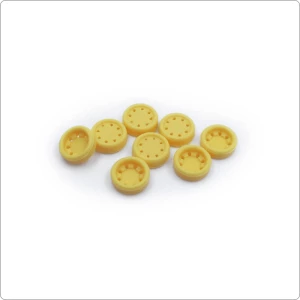
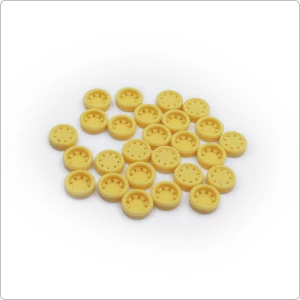
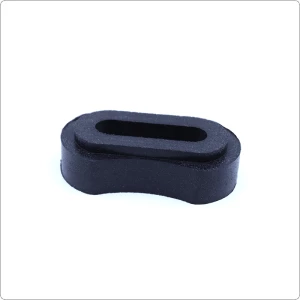
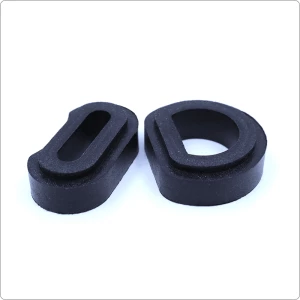
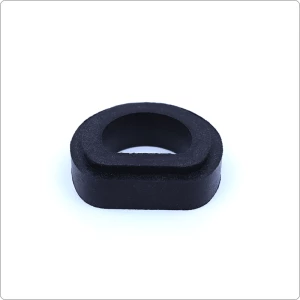
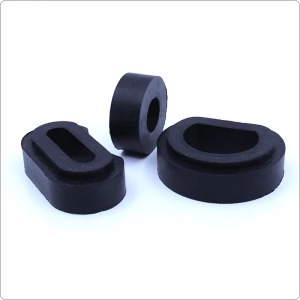
- Rubber Gaskets: Ideal for plumbing and automotive use due to their flexibility.
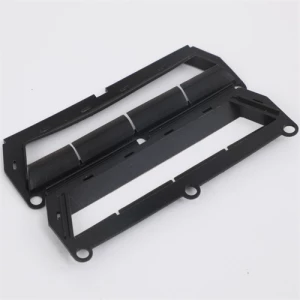
- Metal Gaskets: Used in high-pressure environments like oil and gas pipelines.
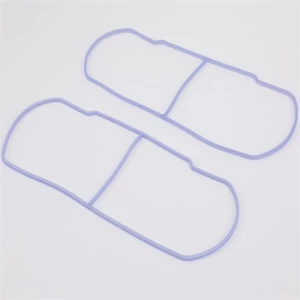
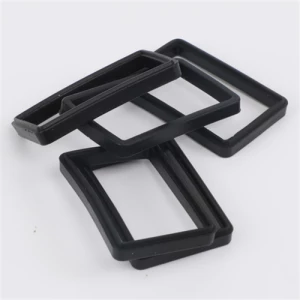
- Silicone Gaskets: Resistant to extreme temperatures, perfect for industrial ovens.
Functions and Features of Gaskets
Gaskets serve as seals between two surfaces, preventing leaks and reducing vibration. Key features include resistance to chemicals, temperature extremes, and pressure. For example, a well-designed gasket can withstand up to 300°F in automotive engines.
Scenarios of Gaskets
From household plumbing to aerospace engineering, gaskets are ubiquitous. In HVAC systems, they ensure airtight seals, while in food processing, they prevent contamination. Case studies show that using the right gasket can reduce maintenance costs by up to 30%.
How to Choose Gaskets
Consider the following:
- Material: Match the gasket material to your operating conditions.
- Size: Ensure precise measurements to avoid leaks.
- Certifications: Look for FDA or NSF approval for food-grade applications.
Gaskets Q & A
Q: How long do rubber gaskets typically last?
A: Depending on usage, 2-5 years. Regular inspection can extend their lifespan.
Q: Can I reuse a gasket?
A: It's not recommended, as compression reduces effectiveness over time.
Q: What’s the difference between a gasket and a seal?
A: Gaskets are static seals for flat surfaces, while seals are for rotating parts.
Q: How do I know if a gasket is failing?
A: Look for leaks, cracks, or discoloration.
Q: Are Chinese gaskets reliable?
A: Yes, many Chinese manufacturers meet international standards. Always verify certifications.


